
Harlum Welfare | Storm
External offshore welfare for maximum assurance.
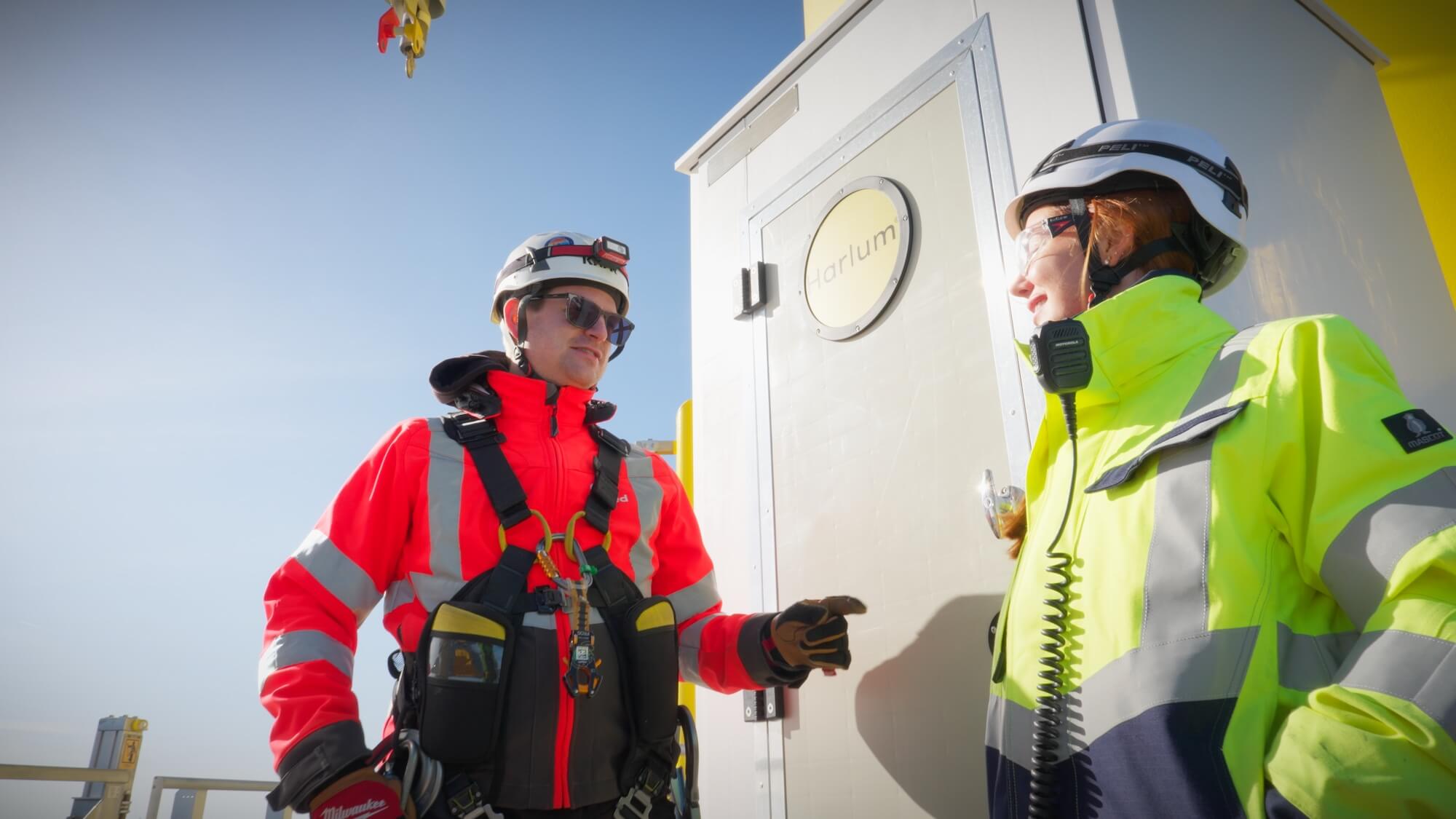
Harlum Storm is a purpose-built turbine-side welfare unit for projects that need a robust, long-term facility at the point of work. The unit, foundation interface and service route are considered together from the start.
What Harlum Storm is
Storm is the external route within the Harlum Welfare portfolio. It gives technicians access to a private, clean and maintainable facility without making basic welfare dependent on a return to the vessel.
External turbine-side configuration
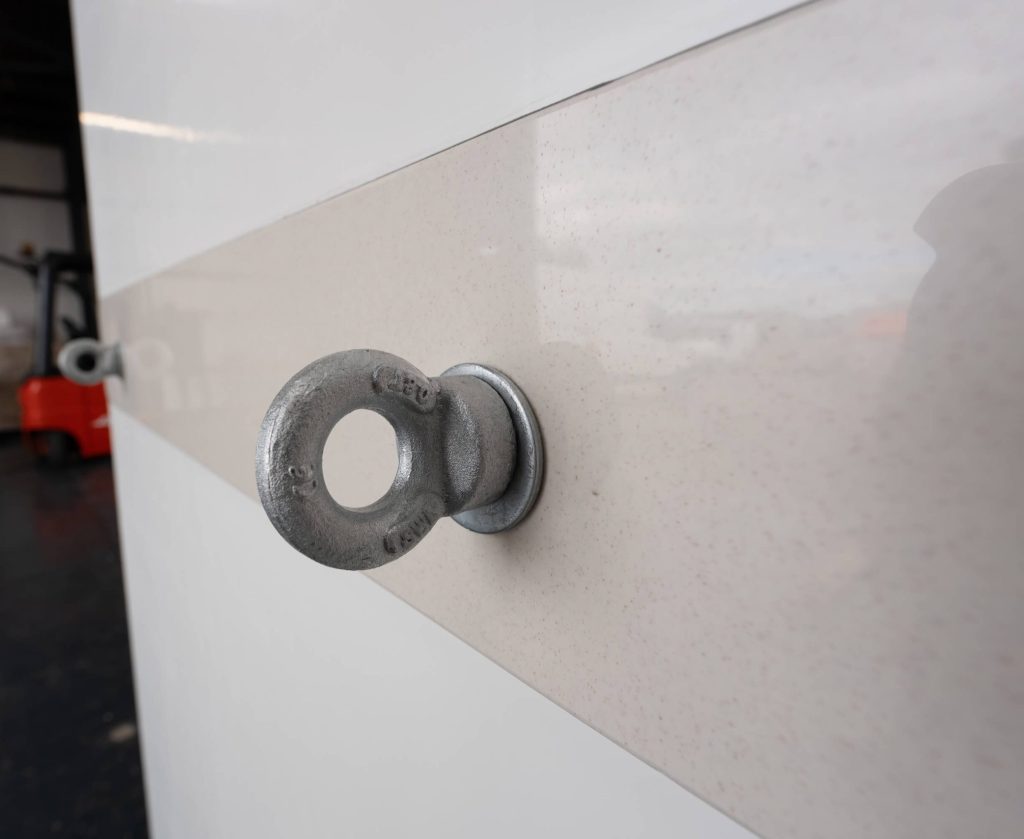
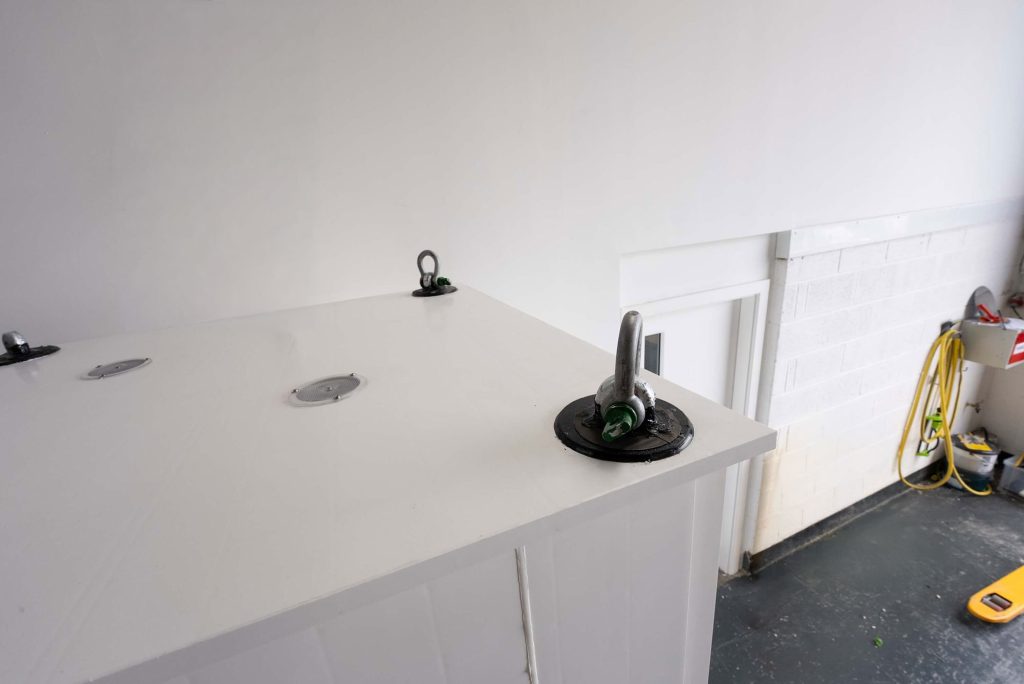
Designed around offshore lifting, transport, transition-piece fixing and long-term deployment.
Independent assurance
A DNV 2.7-3-certified external configuration is available. The exact model, certificate scope, loads and interfaces are confirmed for the project.
Offshore resilience
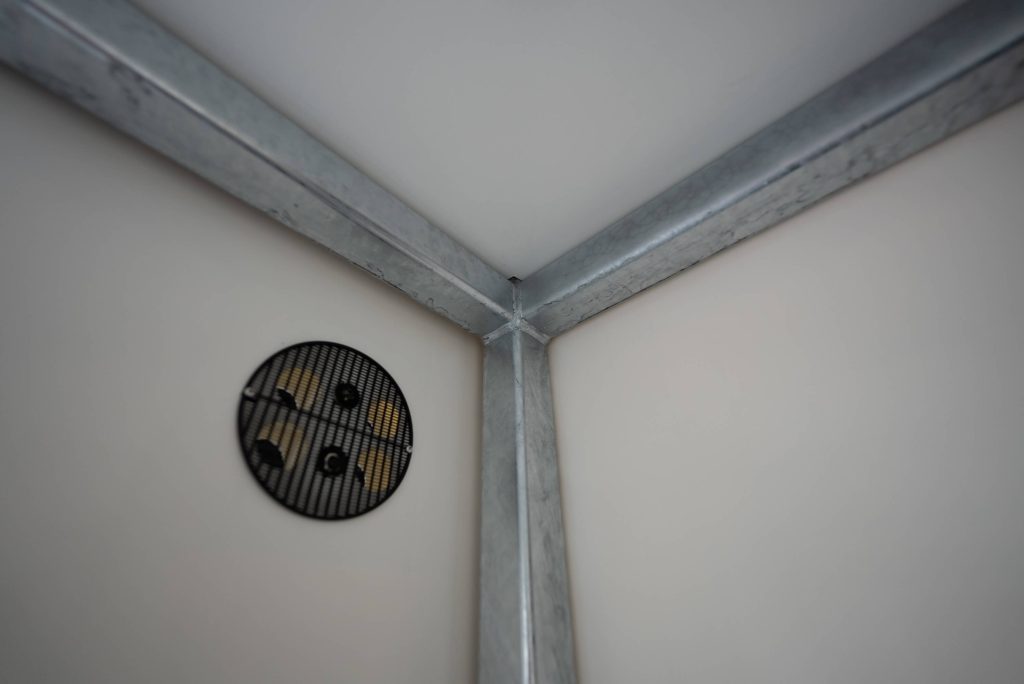
Corrosion-resistant, easy-clean materials, non-slip surfaces, ventilation and weather protection support demanding use.
Integrated service option
Exchangeable waste containers and planned shore-side handling support servicing without removing the complete welfare unit.
Key features
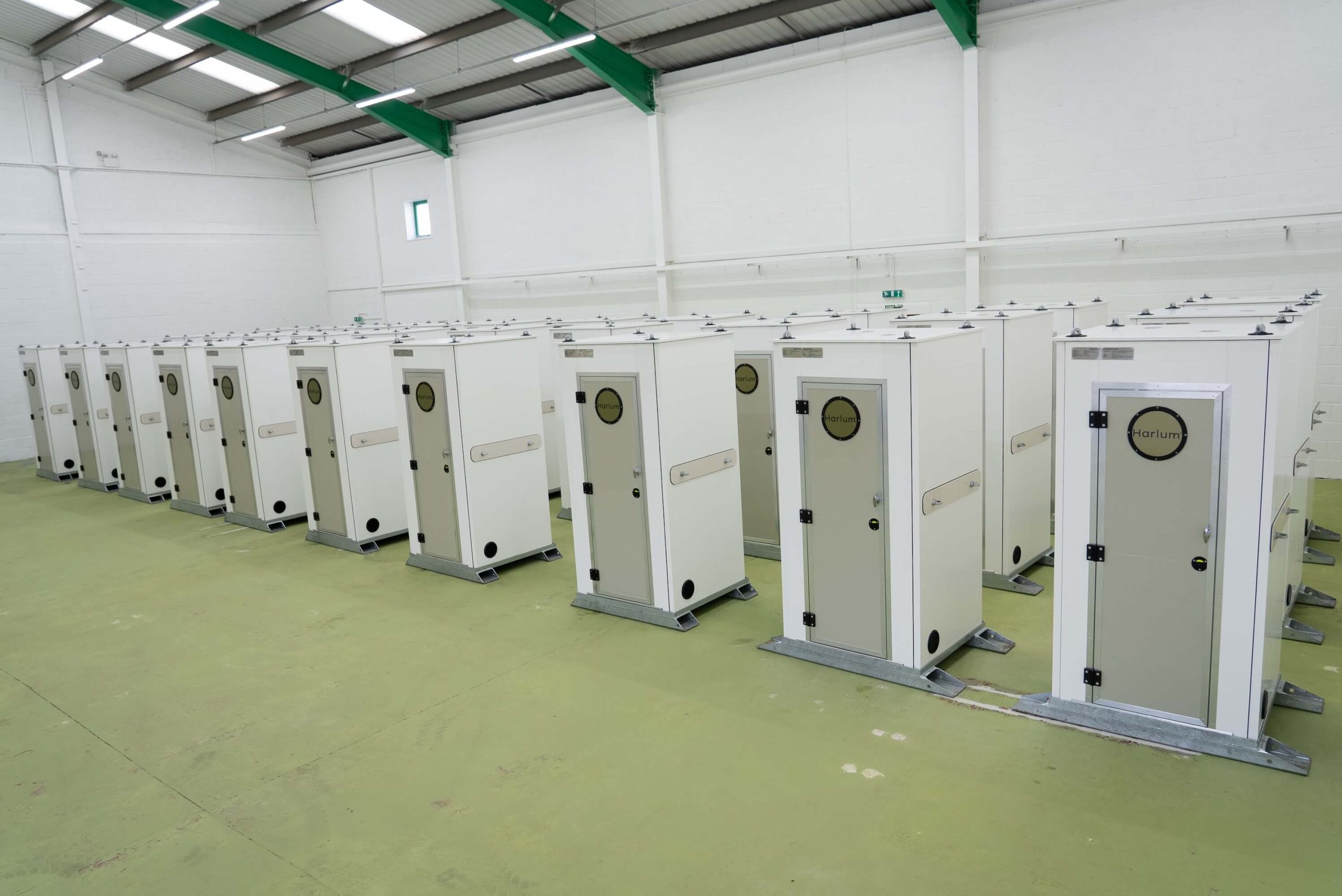
Certified external deployment
DNV 2.7-3 certification for the applicable external configuration, supported by project-specific review.
Lifting and installation
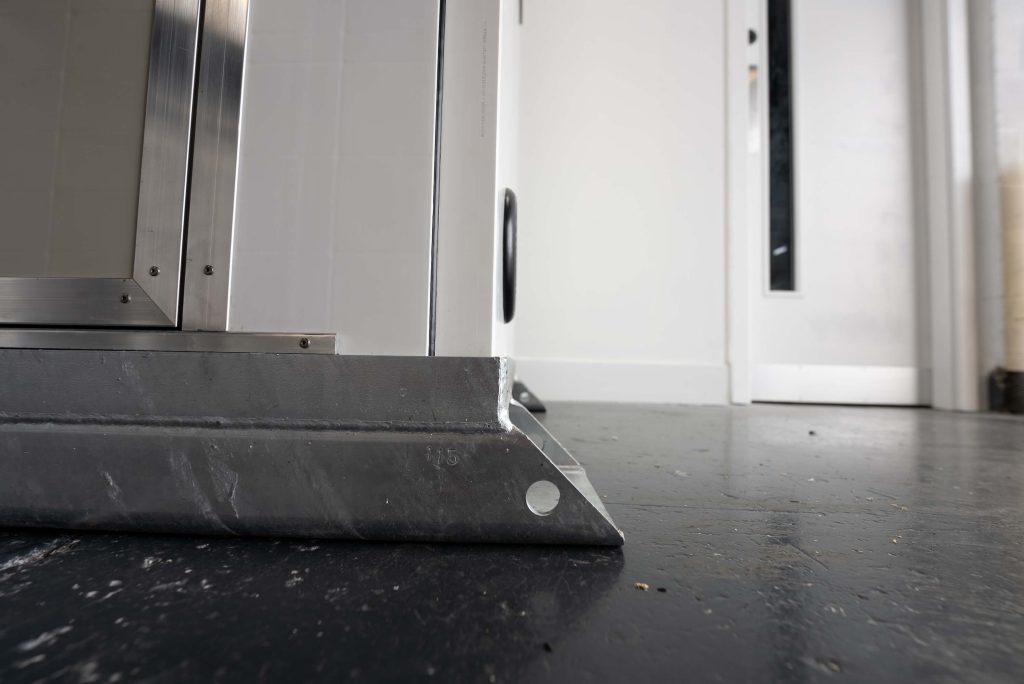
Lifting, transport, TP fixing, lashing and seafastening are considered against the turbine arrangement.
Configured facilities
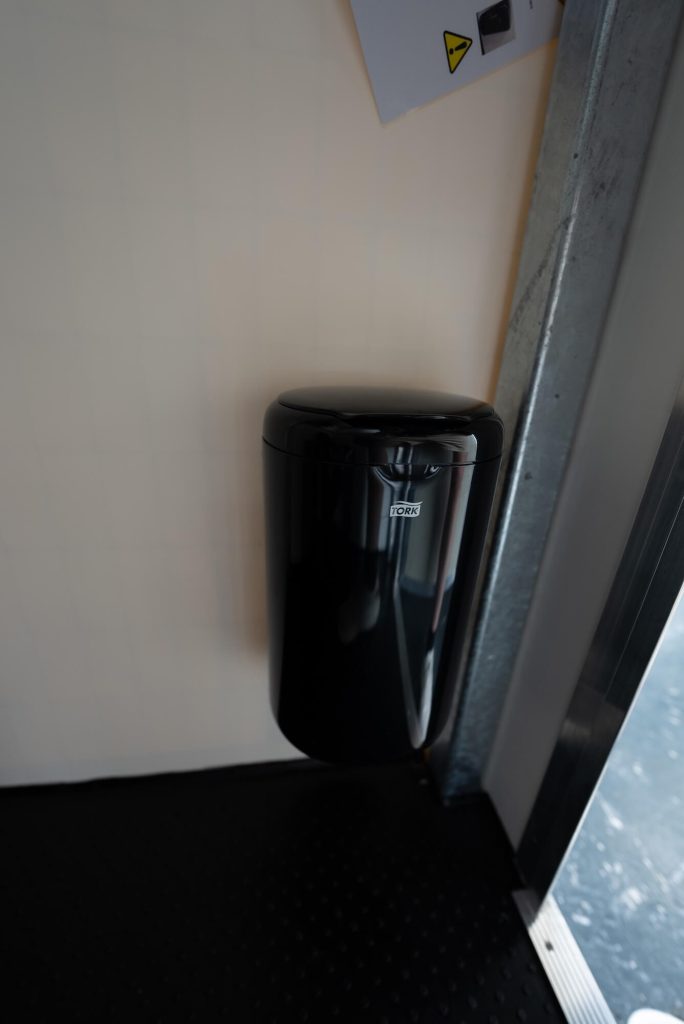
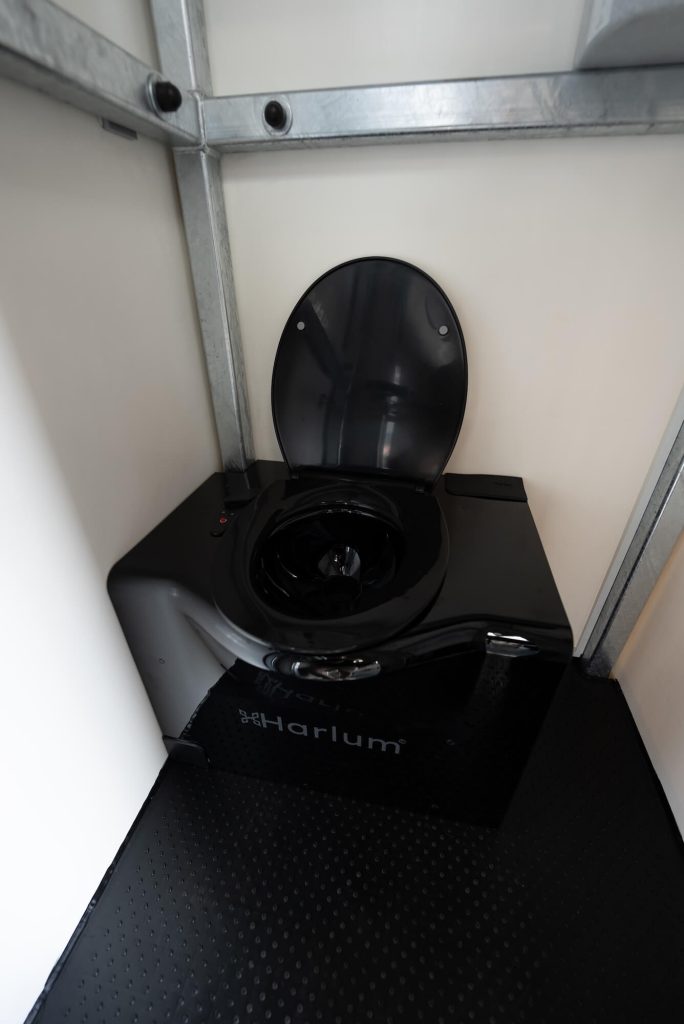
Select toilet, handwash, hygiene and waste-service arrangements around the technicians and project phase.
Independent operation
Solar lighting and no external power draw can be provided, subject to the agreed configuration.
Maintainable design
The main unit remains in position while the waste container is exchanged through the service route.
Asset-life support
Documentation, inspection, spares, service planning and aftercare support long-term operation.
Built for the life of the asset
Storm is engineered around offshore resilience and maintainability, including a 1-in-100-year storm design basis. The intention is not simply to place a facility offshore, but to create a welfare asset that can be inspected, serviced and supported through the project lifecycle.
Project-specific assurance
Loads, certificate scope, approvals, installation method, fixing, interfaces and service arrangements are confirmed during the engineering review for each project.
Configured around your project
Turbine or foundation
Confirm type, installation area, available footprint and existing structural arrangement.
Access and lifting
Review vessel interface, lifting route, handling, landing and installation method.
Fixing and seafastening
Develop lashing and fixing details around the TP and anticipated environmental conditions.
Workforce requirements
Agree technician count, shift pattern, privacy, handwash and hygiene needs.
Waste-service route
Select service scope, exchange method, vessel and port handovers and authorised onshore handling.
O&M support
Set inspection, replenishment, service cadence, spares and aftercare responsibilities.
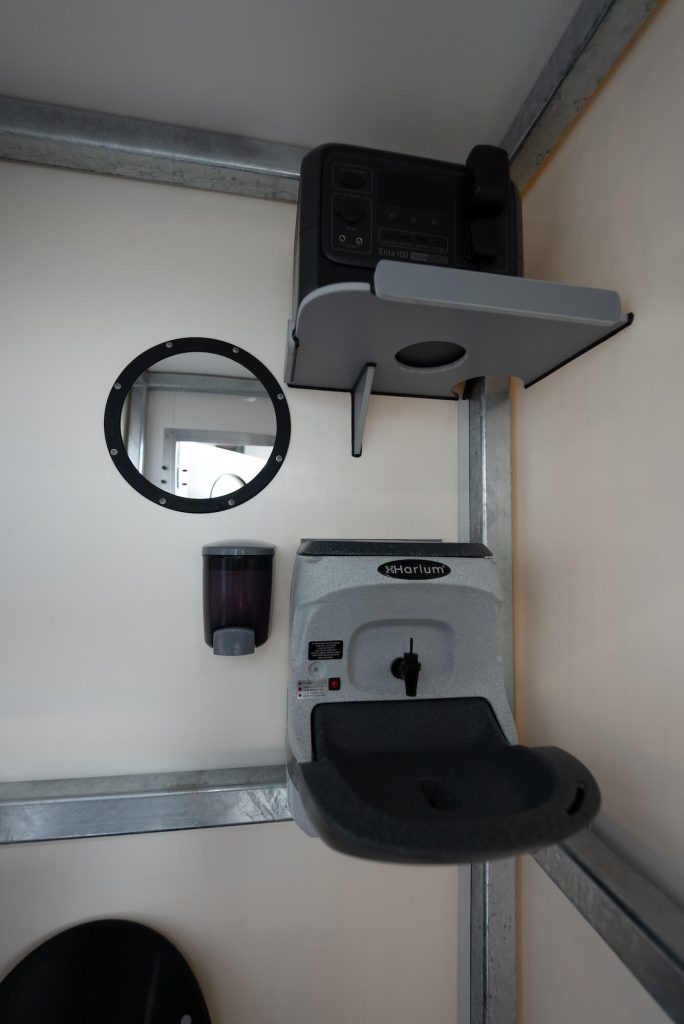
Supporting a more inclusive offshore workforce
Women entering offshore wind should not have to accept uncertain access to a toilet, privacy or handwashing as part of the job. Storm brings an enclosed facility to the turbine, helping technicians manage menstruation, personal hygiene, medication and other needs privately.
Inclusion principle
Better facilities alone will not solve the gender imbalance. They do remove one avoidable barrier to recruitment and retention.
- A predictable welfare standard at the point of work, including during long or disrupted shifts.
- Private provision that can include handwashing and appropriate sanitary-waste arrangements.
- Less pressure to restrict fluids or wait for the next vessel return.
- A visible sign that the project has planned for a mixed workforce in practical terms.
A controlled service route
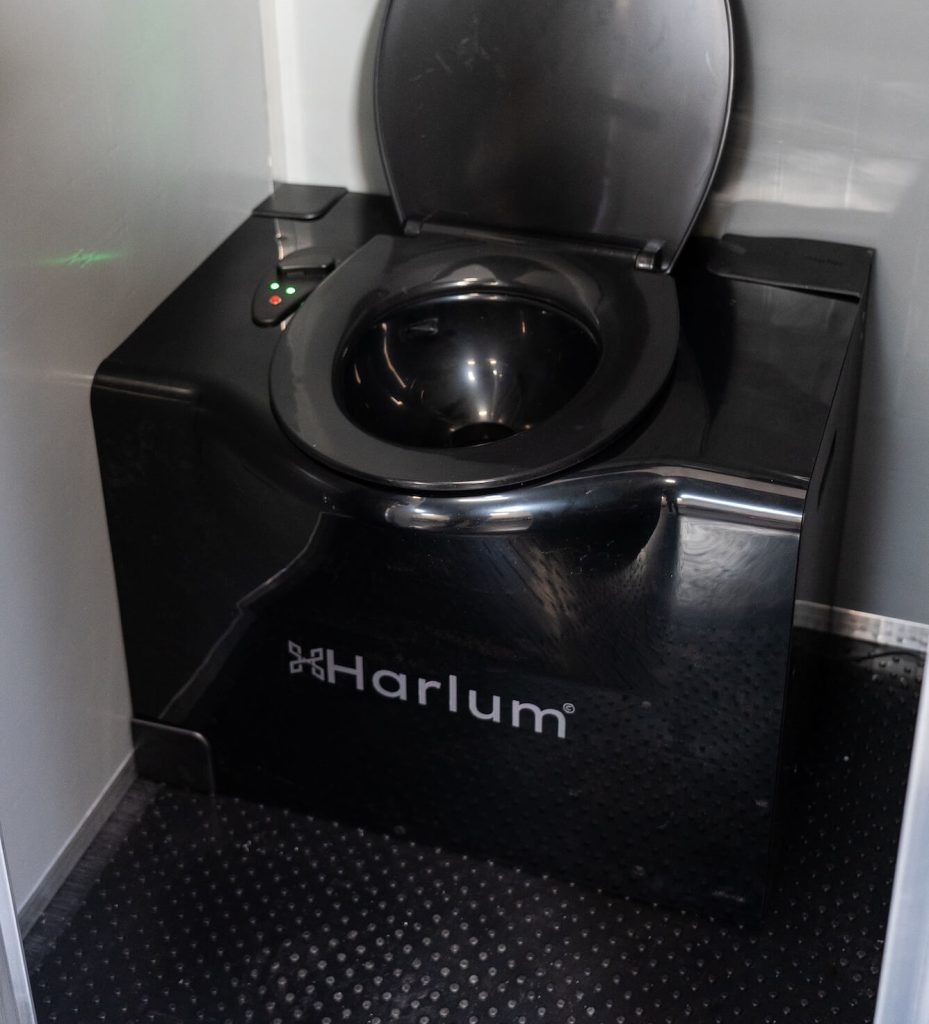
Where the selected Storm configuration includes toilet and waste handling, the exchange process is planned with vessel and port activity. The sealed container is returned through an authorised shore-side route for disposal and reconditioning, while the main unit remains on the turbine.
Frequently asked questions.
Is every Harlum Storm configuration DNV 2.7-3 certified?
Certification applies to the relevant external configuration and certificate scope. Harlum confirms the exact model, loads, interfaces and supporting evidence during the project review.
How is Storm fixed to the turbine?
The fixing, lashing and seafastening arrangement is developed against the transition-piece or foundation design. The method is reviewed with the project, OEM and competent technical stakeholders.
Does Storm need external power?
Selected configurations use solar lighting and can operate without an external power draw. Final requirements depend on the facilities selected.
Can Storm remain in place for O&M?
Storm is intended as a long-term welfare route. Inspection, servicing, waste exchange, spares and aftercare are planned around the operating asset and agreed service model.
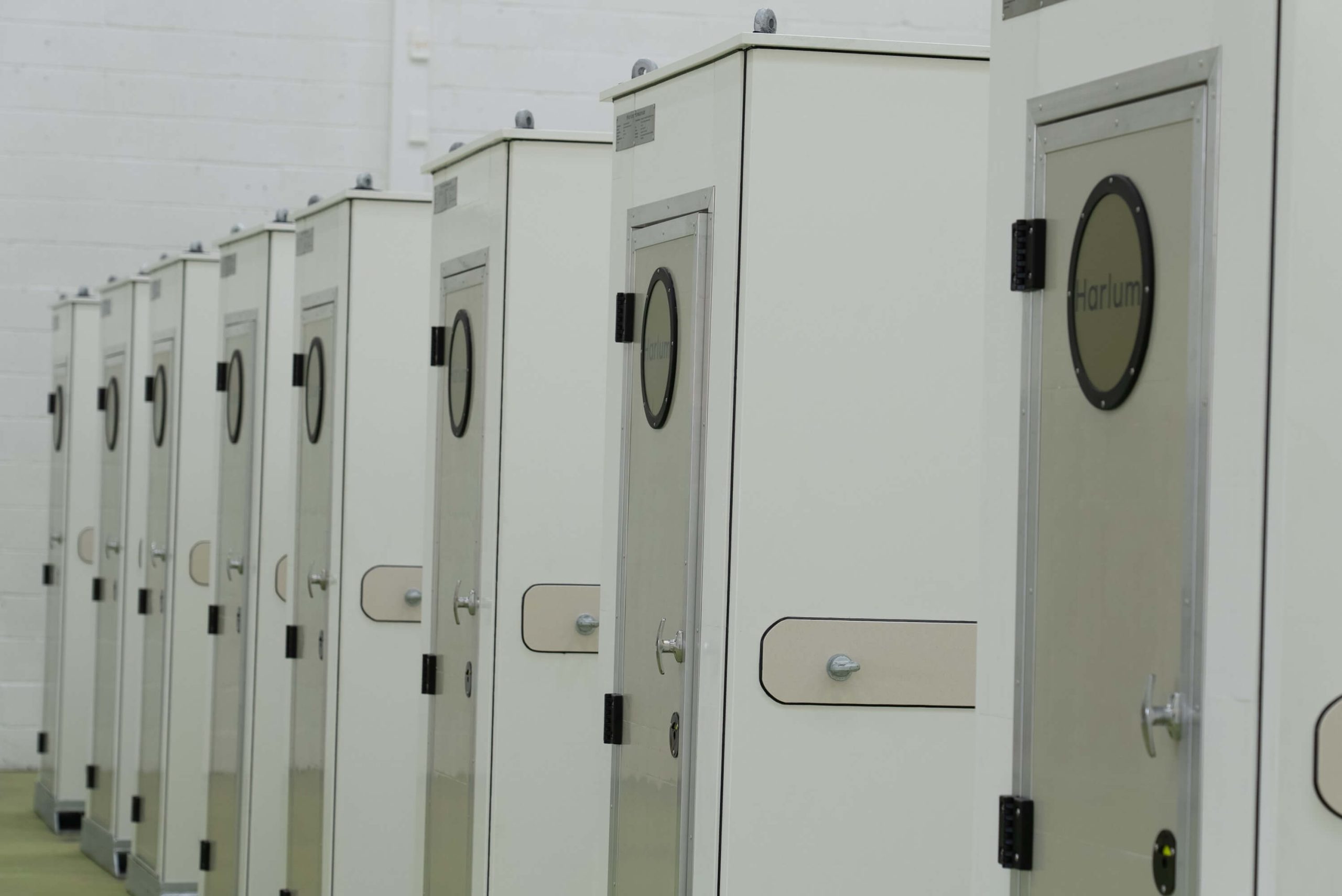
Review the external unit, turbine interface and service chain together.
Share the foundation type, intended location, project phase and O&M plan. Harlum will define the information needed for a Storm configuration review.